FRESH ROASTED COFFEE Papua Guinea Single Origi 843467165567
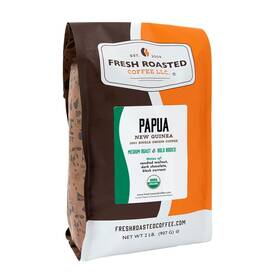
( Brand: Fresh Roasted Coffee ), ( Product: See Description ), ( Language: English ), ( Type: Other ), ( UPC: 843467165567 )
Review FRESH ROASTED COFFEE Organic Papua New Guinea Usda 100% Single Origi
**Papua Guinea Single-Origin Roasted Coffee Batch 843467165567: A Bold Journey Through the Highlands of New Guinea**
Indulge in a rare and captivating cup of coffee that transports you to the lush, volcanic highlands of Papua Guinea, where the earth s rich minerals and tropical climate converge to craft one of the world s most distinctive single-origin beans. This meticulously sourced and expertly roasted coffee, identified by its unique batch number **843467165567**, embodies the untamed essence of this remote yet extraordinary region, offering a sensory experience that is as intriguing as it is rewarding. Harvested from carefully selected farms nestled among the misty peaks of Papua New Guinea, these beans thrive in the fertile, well-drained soils nourished by ancient volcanic activity, lending them a depth and complexity that sets them apart from conventional coffee offerings.
Upon first glance, the beans exhibit a deep, golden-brown hue, indicative of a medium-dark roast that balances warmth with nuanced brightness, preserving the natural character of the origin. The aroma that wafts from the freshly ground coffee is a symphony of earthy undertones intertwined with subtle floral and fruity hints think of ripe berries, a whisper of citrus zest, and a faint, almost spicy warmth reminiscent of dried herbs or cinnamon. This olfactory profile is a testament to the bean s terroir, where the cool mountain air and high-altitude growing conditions contribute to a slower, more deliberate ripening process, enhancing the beans natural sweetness and reducing any harshness.
The first sip reveals a bold yet refined cup, where the initial impact is a rich, full-bodied mouthfeel that coats the palate with a velvety smoothness. Dominating the flavor profile is a deep, chocolatey sweetness, layered with notes of dark berries perhaps blackcurrant or plum that add a touch of tartness to balance the richness. Beneath these vibrant fruity elements lies a subtle earthiness, akin to the forest floor or damp moss, grounding the cup in its natural origins. As the coffee lingers, hints of caramel and a faint, almost smoky undertone emerge, adding complexity and depth to each sip. The finish is long and satisfying, with a lingering warmth that leaves a gentle, almost spicy aftertaste, reminiscent of a well-aged whiskey or a dash of nutmeg.
What makes this Papua Guinea coffee truly special is its rarity and authenticity an unadulterated expression of a region often overshadowed by more commercially prominent origins. The beans are sourced directly from smallholder farmers who employ traditional, sustainable practices, ensuring that the coffee s integrity remains uncompromised. Roasted to highlight rather than overpower the natural flavors, this batch is a celebration of Papua Guinea s unique terroir, offering coffee enthusiasts a chance to explore one of the world s most underrated and fascinating coffee origins. Whether enjoyed black to savor the full spectrum of flavors or paired with a touch of honey or cream to complement its natural sweetness, this coffee is a bold statement for those seeking an adventurous and deeply satisfying cup.
**Pros and Cons of Buying Roasted Coffee (Papua New Guinea Single Origin, Lot 843467165567)**
### **Pros**
1. **Unique Flavor Profile** Papua New Guinea coffee is known for its distinct, often fruity, floral, and wine-like characteristics. This single-origin bean can offer a refreshing taste profile that differs from more common Arabica varieties, such as bright citrus notes, berry undertones, or a medium body with a smooth finish.
2. **High-Quality Single Origin** Single-origin coffees are typically grown in specific regions, allowing for a more consistent and traceable flavor. If sourced responsibly, this can mean better farming practices and support for local producers.
3. **Potential for Complexity** Papua New Guinea coffee, particularly from regions like the Huon Peninsula, is celebrated for its complexity. Some batches may exhibit notes of tropical fruit, honey, or even a slight earthiness, making it appealing to coffee enthusiasts seeking variety.
4. **Fair Trade or Ethical Sourcing Potential** If the roaster or supplier follows ethical sourcing, this purchase could support sustainable farming communities in Papua New Guinea, where coffee production is a significant part of the economy.
5. **Freshness (If Recently Roasted)** If the coffee was roasted recently (ideally within the last 2 4 weeks), it will retain more of its aromatic compounds, delivering a fresher cup compared to older roasts.
---
### **Cons**
1. **Limited Availability** Single-origin coffees from remote regions like Papua New Guinea may be harder to find compared to mainstream blends or popular origins (e.g., Ethiopia, Colombia). This could limit your options if you prefer variety or consistency.
2. **Price** Due to its rarity and the labor-intensive nature of growing and processing coffee in Papua New Guinea, this coffee may be more expensive than mass-produced blends. The cost could be prohibitive for casual drinkers.
3. **Inconsistent Tasting Experience** Even within the same origin, microclimates, processing methods, and harvest years can lead to variability in flavor. If you re used to predictable cup profiles, this might be a drawback.
4. **Storage Sensitivity** Like all coffee, this will degrade over time, especially if not stored properly (in an airtight container, away from light, heat, and moisture). The flavor may diminish within a few weeks of opening.
5. **Roast Date Matters** If the coffee was roasted long ago (e.g., months prior to purchase), it may have lost much of its freshness and vibrant flavors. Always check the roast date if available.
6. **Acidity or Bitterness Risk** Some Papua New Guinea coffees can be more acidic or have a slightly bitter edge, which may not appeal to those who prefer milder or sweeter profiles. Brewing method (e.g., pour-over vs. French press) can help mitigate this.
7. **Limited Access to Origin Details** Without clear information about the specific farm, processing method, or altitude, it s harder to predict the exact flavor profile. This lack of transparency might frustrate serious coffee connoisseurs.
---
### **Conclusion**
Buying this Papua New Guinea single-origin coffee is a worthwhile investment if you:- Enjoy exploring unique, complex flavor profiles.
- Value supporting ethical or sustainable coffee sourcing.
- Are willing to pay a premium for a high-quality, traceable product.
- Have access to fresh roasts (ideally within the last 2 4 weeks).
However, it may not be ideal if you:- Prefer consistency and widely available coffees.
- Are on a tight budget or drink coffee casually.
- Struggle with acidic or bold flavors and prefer milder options.
- Have difficulty finding fresh, recently roasted batches.
---
### **Recommendation**
If you re new to Papua New Guinea coffee, start with a small bag (e.g., 100 250g) to test the flavor profile. Brew it using a method that highlights its brightness, such as a pour-over (e.g., V60 or Chemex), and adjust your brewing parameters (e.g., water temperature, grind size) to suit the acidity and body. Pair it with light pastries or citrus-based desserts to complement its fruity notes.
For best results:- Purchase from a reputable roaster with transparent sourcing.
- Check the roast date and buy only freshly roasted coffee.
- Store it properly to preserve freshness.
- Be open to experimenting with brewing techniques to enhance its natural flavors.
If you enjoy the experience, consider exploring other single-origin coffees from Papua New Guinea or similar exotic origins (e.g., Sumatra, Yemen) for continued variety.
Details:
specifications grouncoffe:
- brand: Fresh Roasted Coffee
- product: See Description
- language: English
- type: Other
- upc: 843467165567
payments grouncoffe:
- wallet: Paypal
- other
- credit card: Diners-club
seller grouncoffe:
- # reviews: 34
- rating: 0.0%
- city: San Bernardino, California
shipping grouncoffe:
- cost: $0.00
- service: USPS Priority Mail
- class: Expedited
- type: Fixed
- transit: 5-10 Days
- carrier: USPS
returns grouncoffe:
- time: 30 Days
- paid by: Buyer
- policy: Returns Accepted
- method: Money back
general grouncoffe:
- condition: New
- Non-Alcoholic Drinks > Coffee > Ground Coffee
offer grouncoffe:
- availability: In Stock
- options: Ship-to-home
- quantity: 1
- started: April 15, 2026
- sold: 0
Fresh Roasted Coffee 843467165567 Is Similar To:
- 0004300002987 Maxwell House Original Light Roast Arabica Fresh Ground Coffee Kosher (26.8% similar) Give it a try and you'll taste the difference that dedication quality can bring to your Maxwell house Coffee. Specifications good to the last drop classic rich, our signature roast light makes up fl. Good just got great. Original roast, perfectly balanced and remarkably smooth, is a deliciously ...(February 26th, 2018)
- 00857031007016 Grand Parad Coffee Colombian Fresh Roasted Whole Bean (24.2% similar) Our Freshly Roasted Coffees are packaged in quality bags adorned with a one-way valve and zipper to preserve lock flavor aroma. Fair trade we invest in our farmers before, during and after the harvest. We equip our farmers with best farming practices and tools, empower them through premium pricing ...(April 26th, 2018)
- 00857031007047 Grand Parad Coffee Kenya Aa Fresh Roasted Whole (23.8% similar) Our Freshly Roasted Coffees are packaged in quality bags adorned with a one-way valve and zipper to preserve lock flavor aroma. Small batch roasting: grand parade Coffees are selected after a long and meticulous cupping process. Applying a scientific lens, we delicately roast our Coffees and coax ...(April 26th, 2018)
- 025500004013 Folgers Fresh Ground Coffee Dark Gourmet Supreme Mild (35.4% similar) 10 servings measuring cup. 1 serving 6 fl oz - tablespoon. Folgers gourmet supreme ground Coffee dark 10. This canister makes up to 90 suggested strength 6 fl oz servings. No shipping outside of the USA. 8 oz mountain grown - wake up to rich, 100 pure Coffee taste makes 90 6 fl cups, totalling cups ...(December 11th, 2018)
- 070594814642 Gourmet Ground Coffee Fresh Roasted Arabica Blend Two (31.3% similar) W gourmet Coffee Fresh Roasted Arabic blend ground Coffee, this is for two packages of 8OZ each for a total of 17...(February 25th, 2019)
- 086382056217 Lees Coffee Pourover Fresh (21.7% similar) With lees Coffee, your Coffee experience will indulge senses, beginning from the aroma of ground blossoming as you pour hot water down to last sip Freshly brewed. The more slowly you pour hot water, stronger and bolder flavor becomes as water has time to interact with grounds. As the barista-in-...(August 22nd, 2017)
- 086382056224 Lees Coffee Pourover Fresh Ground Filter Packs Parisian (28.2% similar) With lees Coffee, your Coffee experience will indulge senses, beginning from the aroma of ground blossoming as you pour hot water down to last sip Freshly brewed. The more slowly you pour hot water, stronger and bolder flavor becomes as water has time to interact with grounds. Shipping handling in ...(April 4th, 2018)
- 086382056248 Lees Coffee Pourover Fresh Ground Filter Packs Parisian (28.2% similar) As the barista-in-charge, you can perfect your cup way. lees Coffee pour over Fresh ground filter packs, Parisian, 50 count product image our pour over is changing the way people think about. With lees Coffee, your Coffee experience will indulge senses, beginning from the aroma of ground blossoming...(June 27th, 2018)
- 086382056811 Lees Coffee Pourover Fresh Ground Filter Packs New (27.8% similar) We reply every message within 48 hours. As the barista-in-charge, you can perfect your cup way. Let us create a positive community together. 4 x 16 inch's. If you did not receive our reply. Running business is not easy. Lees Coffee, your Coffee experience will indulge senses, beginning from the ...(July 31st, 2018)
- 1 Lees Coffee Pourover Fresh Ground Filter Packs Parisian 86382056248 (28% similar) Casuistic lees Coffee pour over Fresh ground filter packs, Parisian, 50 count our pour over is changing the way people think about. The more slowly you pour hot water, stronger and bolder flavor becomes as water has time to interact with grounds. As the barista-in-charge, you can perfect your cup ...(November 7th, 2018)
- Roasted Ravens Fresh Prices Forest Richly 10oz Blend Coffee The (22.2% similar) A rich, bold complex Coffee with a smooth finish, and enough oomph to get you moving in the morning. Raven blend pleasantly suits most personal taste preferences. Rich smooth balanced raven blend is made from the finest premium Coffee beans, fire Roasted, stir cooled and mill ground for a rich ...(May 6th, 2015)